
Quick Summary:
- Understand how Post renovation cleaning Malaysia services prepare condominiums for immediate occupancy.
- Learn effective methods for construction dust removal and eliminating paint marks, cement residue and construction waste.
- Discover how deep cleaning services prepare kitchens, bathrooms and other living spaces for daily use.
- Explore ways to improve indoor air quality and create a cleaner, more comfortable home environment.
- Find out the essential cleaning steps homeowners should complete before moving into a newly renovated condominium.
1. Remove Fine Dust from Every Corner
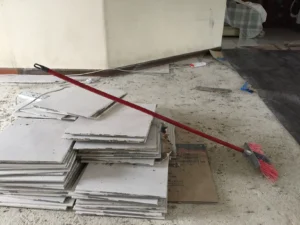
Renovation activities such as drilling, sanding, cutting tiles and installing cabinets can spread fine dust throughout a condominium. This dust often settles on window frames, ceiling fans, skirting boards, shelves, light fittings and other surfaces. It can also collect inside cupboards and behind furniture.
Although sweeping may remove visible dirt, it may not be enough to remove fine particles. Dry sweeping can push dust back into the air, allowing it to settle on cleaned surfaces again.
Professional cleaners use suitable equipment, including HEPA-filter vacuum cleaners where appropriate, to collect fine dust more effectively. Cleaners start with higher surfaces and gradually work towards the floor to prevent dust from spreading onto clean areas. Particular attention should be given to hard-to-reach areas, cabinet interiors, door frames and air-conditioning vents.
Proper dust removal helps improve indoor cleanliness for households with children, senior citizens and people with dust sensitivities. Removing the remaining renovation residue helps create a more comfortable living environment before residents bring in their belongings.
2. Make Kitchens Ready for Daily Use
The kitchen is one of the first areas homeowners want to use after moving in. However, renovation work can leave dust, adhesive marks, sawdust and other residues on countertops, cabinet doors, shelves and appliances.
A detailed kitchen cleaning session focuses on areas that are easy to overlook. These include the inside of cabinets, drawer runners, backsplash tiles, sink fittings, worktops and the spaces around installed appliances. Kitchen deep cleaning helps remove accumulated dust and visible residue before residents store groceries or prepare meals.
Cleaners should use products suitable for each material. For example, abrasive pads may scratch certain finishes, while unsuitable chemicals can damage natural stone or coated surfaces. Food preparation areas should also be cleaned with products appropriate for their intended use.
Before moving groceries into the kitchen, homeowners should check that shelves, drawers and countertops are free from visible dust and cleaning product residue. Sinks and taps should be cleaned properly, while plumbing or appliance installation issues should be handled by qualified technicians.
A clean kitchen allows residents to unpack their essentials and start preparing meals without first having to deal with leftover renovation mess.
3. Sanitise Bathrooms and Toilets
Bathrooms need special attention because residents use them immediately after moving in. Renovation work may leave grout haze, cement residue, paint splashes and dust on tiles, mirrors, shower screens and sanitary fittings.
A thorough cleaning process removes these residues using methods suitable for the affected surfaces. Toilets, washbasins, taps, shower areas and frequently touched fittings should be cleaned carefully. Floor drains and corners should also be checked for trapped debris.
Bathroom deep cleaning should include attention to soap holders, shower screens, tap bases and other areas where dirt may collect. Bathrooms should be dried properly after cleaning to reduce unnecessary moisture. This is particularly relevant in Malaysia, where warm and humid conditions can contribute to mould growth when ventilation is poor and surfaces remain damp.
Not every problem can be solved through cleaning alone. Loose tiles, leaking pipes, damaged waterproofing and faulty drainage require the attention of the relevant professionals. Cleaning can improve hygiene and appearance, but it cannot correct these underlying defects.
Once the bathroom is clean and the necessary repair work is complete, residents can use the space with greater confidence.
4. Clean Windows, Glass Panels and Balcony Areas
Condominiums often have large windows, sliding glass doors and balconies that collect dust during renovation. Paint splashes, fingerprints, adhesive marks and construction residue can make these areas look unfinished even after the main rooms have been cleaned.
Glass panels should be cleaned using suitable glass-cleaning products and non-abrasive tools. Window tracks and frames need attention because dust can accumulate in narrow gaps. Sliding doors should also be checked for trapped grit that could affect their movement.
Balconies require the removal of loose debris, dust and other renovation waste. However, cleaners must follow building management rules for water use, waste disposal and working at height. Water should never be allowed to run into neighbouring units or shared areas.
For high-rise condominiums, external windows may require specialist access equipment and trained personnel. Residents should not attempt risky cleaning tasks themselves.
Clean windows allow more natural light into the unit, while tidy balcony areas make the property feel more complete and ready for everyday use.
5. Improve Indoor Air Quality Before Moving In
A newly renovated condominium may look attractive, but its indoor environment can still contain airborne dust and odours from paints, adhesives, sealants and other building materials.
Cleaning helps remove settled particles from floors, furniture surfaces, air vents and other accessible areas. However, cleaning alone may not eliminate every source of indoor air pollution.
Homeowners should ventilate the unit when outdoor conditions and building rules allow. They should also follow the manufacturer’s guidance for newly applied paints, sealants and adhesives, particularly where adequate curing time is required before occupancy.
Air-conditioning filters should be inspected and cleaned or replaced according to the manufacturer’s recommendations. If dust has entered the system during renovation, the system may require additional inspection by a qualified air-conditioning technician. Air-conditioning filter cleaning can be an important part of preparing the indoor environment, although internal duct cleaning should only be arranged when appropriate.
Strong chemical fragrances should not be used to cover up renovation odours. Persistent or unusual smells may indicate that materials need more time to cure or that further investigation is necessary.
These steps help prepare the indoor environment for residents, especially those who spend most of their time at home.
6. Clean Floors According to Their Material
Flooring can be one of the most noticeable areas affected by renovation work. Ceramic tiles may have grout haze, vinyl flooring may collect adhesive marks, and marble or other natural stone surfaces may be affected by unsuitable cleaning chemicals.
The cleaning method should match the flooring material. Microfibre tools and suitable cleaning solutions can help remove ordinary dust, while stubborn cement or grout residue may require a specialist product. Floor stain removal and post-renovation floor cleaning should be carried out carefully to avoid scratching or discolouring the surface.
Natural stone surfaces need particular care because acidic cleaners can damage marble and limestone. Similarly, abrasive tools may scratch polished finishes, and excessive water can affect certain types of timber or laminate flooring.
Before applying a cleaning product across the entire floor, cleaners should check the manufacturer’s recommendations and test the product on a small, inconspicuous area where appropriate.
A final vacuuming and mopping session helps remove remaining dust and footmarks. The floor should be allowed to dry before furniture, rugs and other belongings are placed in the condominium.
7. Prepare the Unit for Furniture Delivery and Unpacking
A condominium may be structurally complete but still require detailed cleaning before furniture delivery. Moving furniture into a dusty property can cause dirt to collect underneath beds, sofas, cabinets and appliances. It may also transfer construction residue onto newly delivered items.
Arranging cleaning before furniture arrives makes it easier to reach corners, clean wardrobes and inspect areas that would later become difficult to access.
A practical sequence is to remove renovation waste first, clean high surfaces and fixtures next, complete kitchen and bathroom cleaning, and finish with floors. If furniture has already been delivered, cleaners can work around it while paying attention to accessible areas and frequently touched surfaces.
Homeowners who require Move-in cleaning services should confirm the scope of work in advance. The checklist may include interior cabinet cleaning, window tracks, bathroom fittings, kitchen surfaces, floor cleaning and the removal of remaining fine dust. A clear move-in cleaning checklist helps homeowners check whether the unit is ready before bringing in their belongings.
Clear communication helps ensure that important areas are not missed and that the property is prepared according to the household’s moving schedule.
8. Why Professional Cleaning Helps with Immediate Occupancy
Cleaning a renovated condominium can take considerable time, particularly when several rooms have different materials and cleaning requirements. Professional cleaners can follow a planned sequence and use suitable equipment to address common post-renovation issues.
When choosing Condominium cleaning services, property owners should ask about the team’s experience with renovation residue, the equipment used, the surfaces covered and the arrangements for disposing of waste. It is also useful to confirm whether the service includes interior cabinets, glass panels, balcony areas and detailed bathroom cleaning.
For newly completed properties, Post construction cleaning may involve more extensive debris removal and residue treatment than ordinary housekeeping. The appropriate scope depends on the size of the unit, the type of renovation and its current condition. Reliable professional cleaning services in Malaysia should explain which tasks are included and whether specialist cleaning is needed for stubborn residue.
Homeowners should also check that major construction work has been completed before scheduling the final cleaning. If contractors are still drilling, painting or installing fittings, the property may become dusty again and require additional cleaning.
A planned approach helps reduce last-minute work and makes it easier to coordinate cleaning with furniture delivery, utility checks and the move-in date.
A Fresh Start in Your Renovated Condominium
Preparing a renovated condominium for immediate occupancy involves more than removing visible dirt. Fine dust, bathroom residue, kitchen debris, dirty window tracks and contaminated flooring can affect the comfort and cleanliness of a newly improved home. A structured cleaning process helps address these issues before residents unpack their belongings and begin their daily routines.
For homeowners planning a move, apartment cleaning services can help prepare the property more efficiently while reducing the risk of damage caused by unsuitable cleaning methods. It is best to schedule the cleaning after major renovation work has finished and allow any necessary paint, adhesive or sealant curing time before occupancy.
To prepare your renovated condominium for a cleaner and more comfortable move-in, visit Post Renovation Cleaning Malaysia to learn more about the available services. You can also contact the team to discuss your property’s cleaning requirements and arrange a suitable cleaning schedule.
FAQs:
1. When should post-renovation cleaning be done before moving into a condominium?
Post-renovation cleaning should be scheduled after major renovation work is completed, including drilling, painting and installations, to remove dust and debris before moving in.
2. What does post-renovation cleaning include in a condominium?
It typically includes dust removal, floor cleaning, kitchen and bathroom cleaning, window and glass cleaning, cabinet cleaning, and removing paint or cement residue where possible.
3. How do you remove fine renovation dust from a condominium?
Use a suitable vacuum cleaner, microfibre cloths and appropriate cleaning products to remove dust from floors, furniture, ceiling fans, window frames and hard-to-reach areas.
4. Is professional post-renovation cleaning necessary before moving into a new home?
Professional cleaning can help remove stubborn renovation residue, reach overlooked areas and prepare the condominium for occupancy, especially after extensive renovation work.
5. How long does post-renovation cleaning take for a condominium?
The duration depends on the condominium’s size, renovation work, amount of dust and cleaning requirements. Larger units or properties with heavy residue may require additional time.